 Bogdan Rynkowski
IT & AI transformation leadership
I fix transformation programmes stuck between ambition and results.
Every transformation has a beautiful plan. Most of them stay beautiful.
I’m the one who gets them delivered. Twenty-eight years of transformation to board level, from SAP to enterprise data to GenAI: teams past 250 people, budgets past €60M, 68 countries. Direction first, adjustment underway.

About
Twenty-eight years running the transformation, not just advising on it.
Twenty-eight years running data, digital product, and AI programmes to board level, the last twenty-five at Philips across SAP, enterprise data, PLM, eCommerce, and GenAI, including a headless commerce platform handling €1.4B in annual order intake. The scale behind that: a 250-person team on a €22M budget, and a €60M IT separation across 68 countries delivered on time. After 25 years at Philips I am now looking for the next senior role where one person is accountable for the outcome, not a methodology.
Where I’ve delivered
Six kinds of work I have delivered.
Strategy & governance
AI strategy and governance built to survive an audit, not just a pitch. Set up the governance layer for every programme delivered: KPI-driven daily management in digital commerce, harmonised data governance across business groups in enterprise data, structured vendor and deployment governance for GenAI DevOps. Oxford capstone: a scenario-based AI strategy playbook for clinical MedTech.
Capability & delivery
Stood up a dedicated AI delivery capability built to transfer. Took a GenAI DevOps and test-automation programme from a 12-vendor selection to live deployment across half the Philips portfolio in a year. Operational costs fell 35% and project spend 10% in the first twelve months.
Program leadership
Led the strategic AI programme for GenAI DevOps and test automation as primary interface to board and senior business leaders: programme progress translated into business language, risks into decisions, ambiguity into owned next steps. Earlier, delivered a 68-country, €60M IT separation on time and under budget: 54 new systems stood up, 7,000+ UAT scenarios. Philips CIO Award.
Digital commerce
Architected a headless commerce platform on SAP Hybris with a React/Next.js front end, handling €1.4B in annual order intake with EDI and Punchout integrations into customer procurement systems. Online sales doubled year on year, IT operational costs fell by €15M, NPS rose 10 points.
Enterprise data
Directed the global Enterprise Service Bus and Master Data ecosystem that moved Philips from application-siloed data to one governed information layer. A self-service reporting layer on top cut central IT dependency and sped up decisions across global business units.
Platform operations at scale
Ran a 9,000-user product-record platform estate across R&D, manufacturing, and commercial functions on three continents. Release governance and end-to-end QA automation cut rework and improved on-time delivery.
Track record
What twenty-eight years actually looks like.
Writing
Articles & whitepapers.
Occasional long-form writing on job-search discipline, AI governance, and getting AI-assisted work right.

Oxford is done. Here is what actually stuck.
Published July 14, 2026
What the Oxford AI-Driven Business Transformation Executive Programme covers, and four lessons for scaling AI past the pilot stage.
 Whitepaper
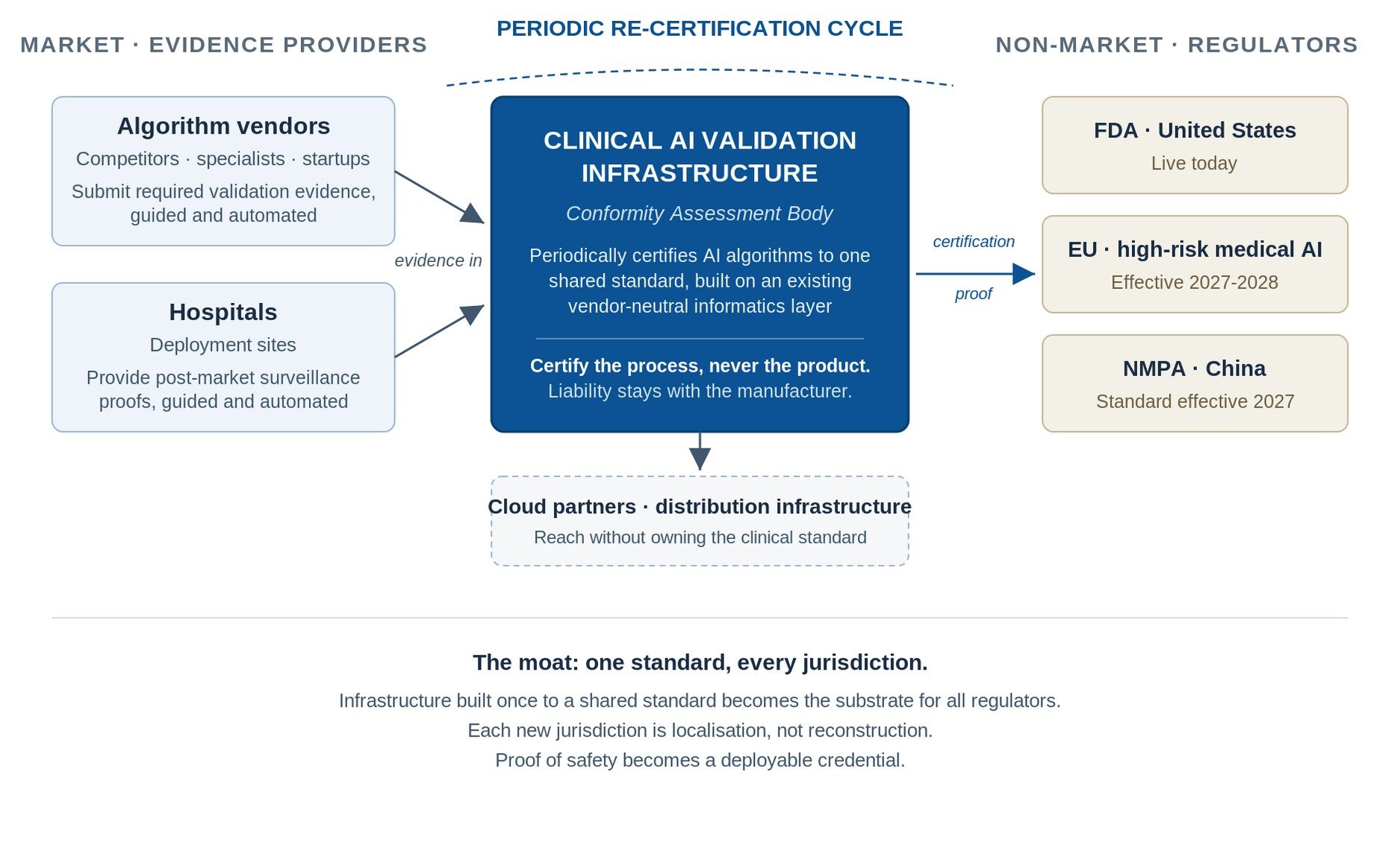
Winning Either Way: a scenario-based playbook for scaling clinical AI
Published July 2026
Two contrasting futures for clinical and regulatory trust in AI by 2030, Frozen Trust and Full Commitment, tested against a shared set of strategic plays. Five moves hold up in either future. Developed on the Oxford AI-Driven Business Transformation Executive Programme.
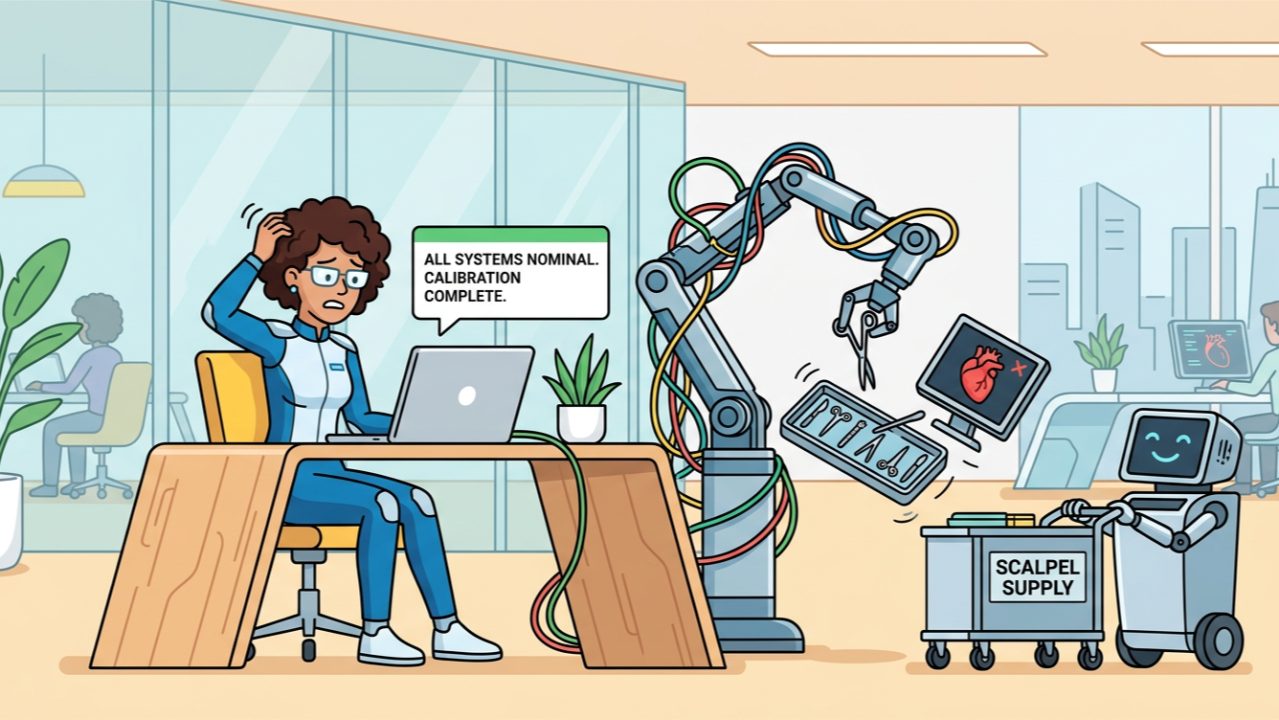
The AI kept telling me everything was working. It wasn’t.
Published June 18, 2026
A close look at the AI mistakes that don’t crash or throw an error: a plausible-looking output built on a flawed foundation. The checklist below is what came out of it.

Are emerging technologies going to change everything?
Published April 20, 2026
On why the real constraint in enterprise AI is the accountability gap: who owns the decision when the system acts on its own, and what that means depending on where you are in your career.
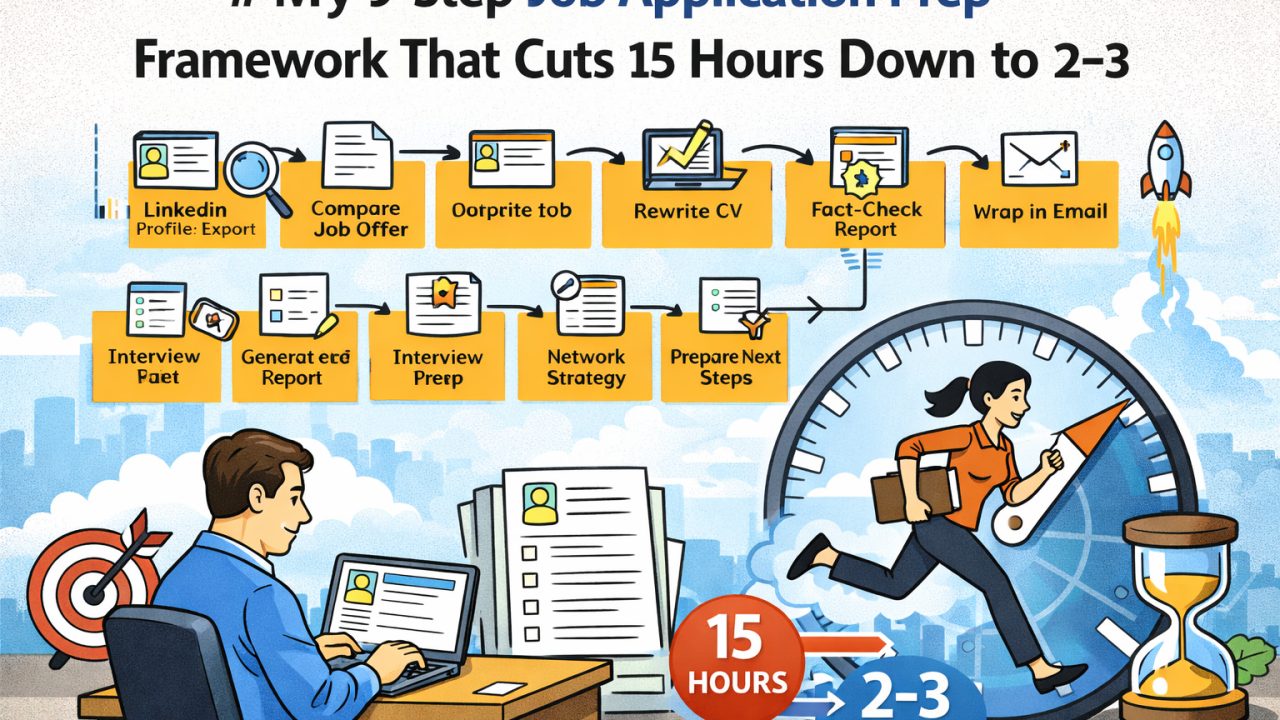
My 9-step job application prep framework cuts 15 hours down to 2–3
Published March 30, 2026
A systematic approach to job-search preparation: job analysis, gap scoring, interview prep, and network strategy. It replaces a fresh scramble every time with a repeatable framework.
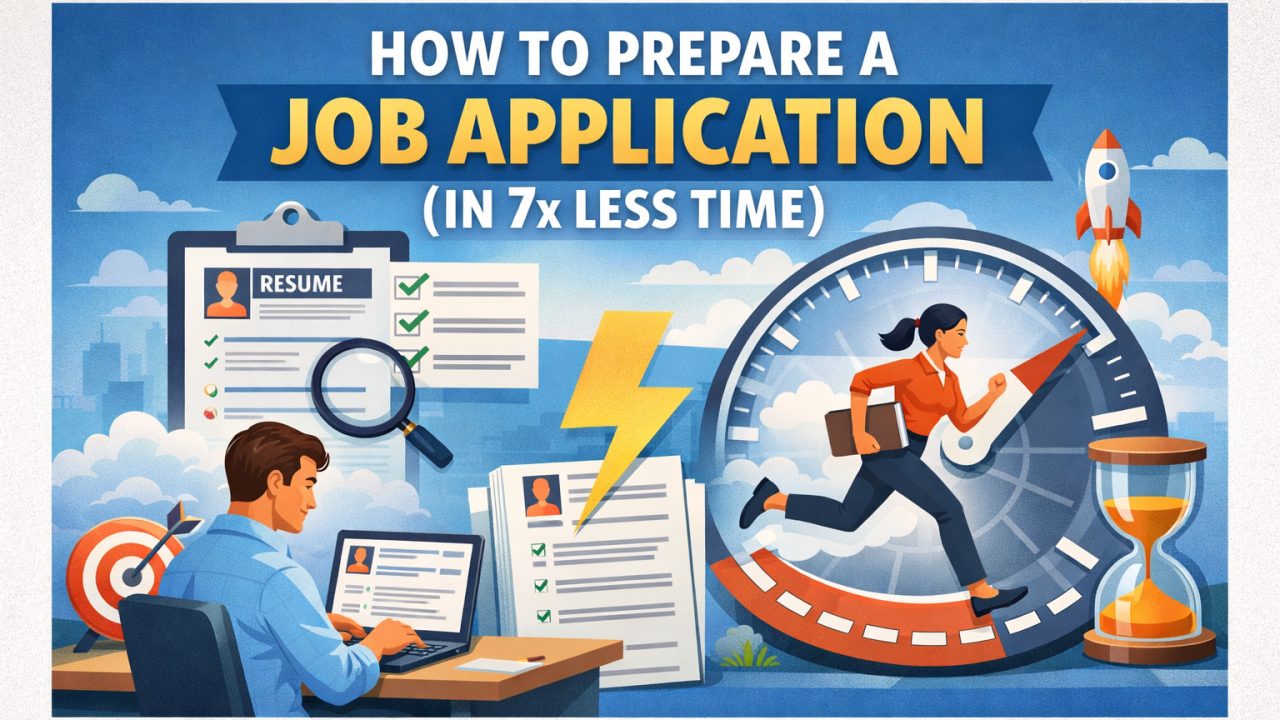
How to prepare a job application in 7x less time
Published March 30, 2026
The original experiment behind the framework above: teaching an AI a candidate’s actual voice and standards, then using it to cut over a dozen hours of job-application prep down to three.
Files I share
Frameworks and papers I share, free to download.
Structured frameworks I run AI sessions against, plus longer-form papers on strategy and governance. Free to download and use.
Research Rigor: a three-phase protocol against hallucination
The objective is simple: don’t let an AI sound confident about something it hasn’t actually checked. I load it explicitly whenever a task needs to be right, not just plausible: market sizing, competitive claims, anything going into a document that will be scrutinized. It runs three phases every time: state every assumption and ask clarifying questions before answering, research and cite sources while answering, then run a skeptical self-critique pass before delivering.
Token Discipline: session hygiene for long AI sessions
Built originally for a recurring portfolio-review workflow, but the discipline generalizes to any long, recurring AI session: state the scope in one sentence before starting, never re-fetch what’s already known, and close every session with a structured handoff block instead of letting context sprawl.
Hiring Prep Framework: a repeatable system for job-search prep
Turns a job description and a CV into a structured hiring assessment: a match percentage backed by evidence, concrete gaps, diagnostic interview questions, a tiered network-outreach plan, and a positioning email. Preparation becomes a repeatable process this way, instead of a fresh scramble for every application.
Silent Failure Audit: seven checks before you trust an AI’s output
Catches the mistakes that don’t crash or throw an error: the plausible-looking number, chart, or conclusion built on a flawed foundation. I run it on anything about to inform a real decision. It closes with an explicit report of what was checked, what was found, and what could not be verified. “No errors” never quietly becomes “correct.”
Winning Either Way: a scenario-based playbook for scaling clinical AI
Two contrasting futures for clinical and regulatory trust in AI by 2030 — Frozen Trust and Full Commitment — tested against a shared set of strategic plays across Purposes, Players, Partnerships, and Processes. Five moves hold up in either future. Developed on the Oxford AI-Driven Business Transformation Executive Programme.
Contact
Let’s talk.
For roles, references, or a copy of my full CV, reach out directly by email or LinkedIn.